The nature of coffee makes it impossible for any single coffee shop to dominate. That’s why every specialty coffee shop is unique. And I don’t mean that in some inspirational, touchy-feely sense. I mean it literally.
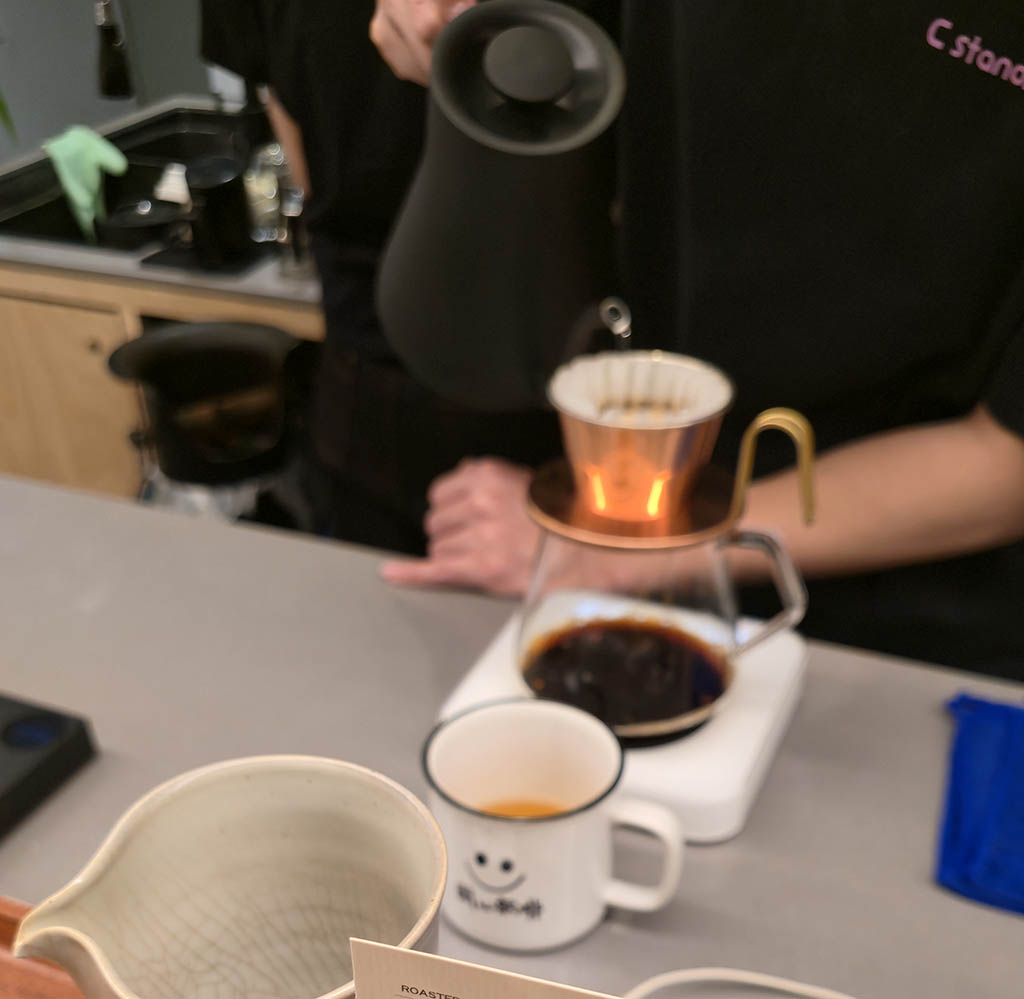
Coffee is a highly unpredictable thing—whether in growing, storing, or brewing. It also requires a certain level of technical knowledge on the consumer’s end. Specialty coffee, whether beans or drinks, is roasted and made to order. Coffee tastes different right after brewing versus after it cools—it can even go from delicious to undrinkable. Coffee is deeply international, spread across different countries and growing regions; the beans in a coffee shop come from all over the world. There are countless varieties, processing methods, altitudes, roast levels, and styles—even if you drank a different coffee every day, you couldn’t get through them all in a lifetime. The same beans can be brewed with different methods and different equipment. Coffee has a peak flavor window—not like ordinary products with a “3 months” or a “best before” date, but rather “10 to 60 days,” “three weeks to three months,” and so on. Storage matters too: open a bag of coffee beans a few too many times, and that peak window shrinks. Given all this, neither consumers nor shops dare to stock up heavily—whether in quantity or variety. This directly results in different brick-and-mortar coffee shops using mostly different beans. This shop carries these beans; that shop carries those. Visit a few coffee shops and you’ll see—it’s extremely rare to find two shops using exactly the same beans. The same goes for roasters: the vast majority have different beans from one another.
The same beans at different roast levels taste different. The same beans with different processing methods taste different.
Many specialty coffee shops roast their own beans, with their own bean selection, their own roasting style, their own brewing style. Even two shops that don’t roast their own beans and use the same roaster’s same beans will brew different flavors.
Going to the same coffee shop at different times equals drinking different coffee. Going to different coffee shops for the same beans equals drinking different coffee. Going to the same coffee shop with a different barista equals drinking different coffee. Going to the same coffee shop with different equipment equals drinking different coffee.
A typical specialty coffee shop experience goes like this: you walk in, the barista asks what you’d like. If you say you don’t know much about coffee, they’ll ask what kind of coffee you’re in the mood for—floral, fruity, acidic, not too acidic, and so on. Once that’s settled, the barista grinds the beans and brings them over for you to smell the dry aroma—the fragrance of the coffee grounds. Then they brew it and bring it to you, letting you take in the aroma of the liquid as well, giving you detailed information about the beans: where they’re from, what flavors they have, how the flavor shifts from hot to cool. They answer your questions and address your doubts. If you sit at the bar, you can watch the barista brew and discuss coffee, beans, and brewing methods.
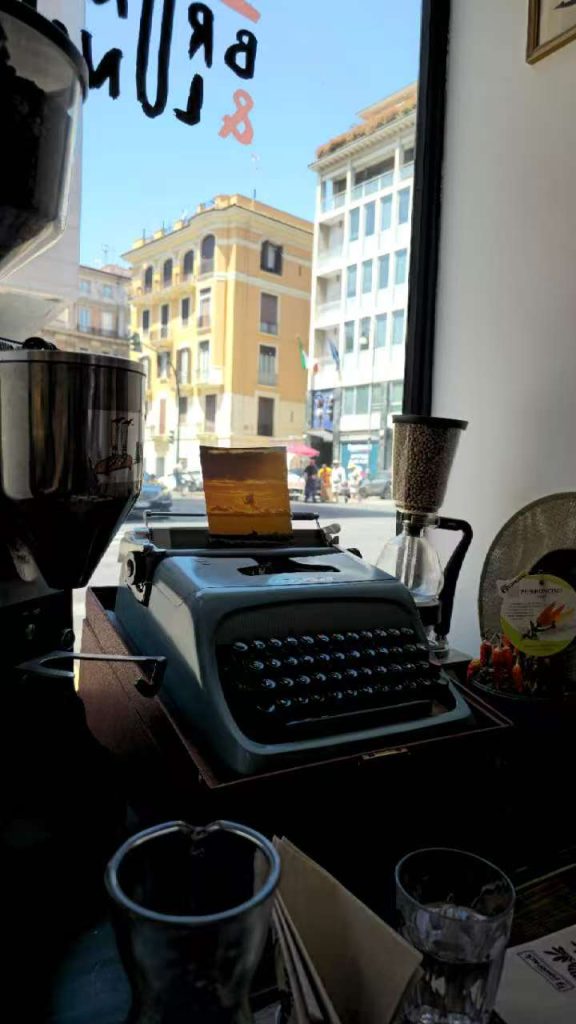
Coffee shops also carry a strong cultural dimension—in both East and West. In France and England, some coffee shops even have their own literary awards.
At many coffee shops, if you feel the barista didn’t brew it well or you don’t like the taste, they’ll brew you another cup.
Specialty coffee shops are part of socializing, part of conversation, part of the scenery. They also test the skill, vision, and patience of the baristas who work there.
Visit a few more coffee shops in your city, and you’ll discover these magical qualities of coffee—and the coffee shops born from them. I believe you’ll agree:
Every specialty coffee shop is one of a kind.