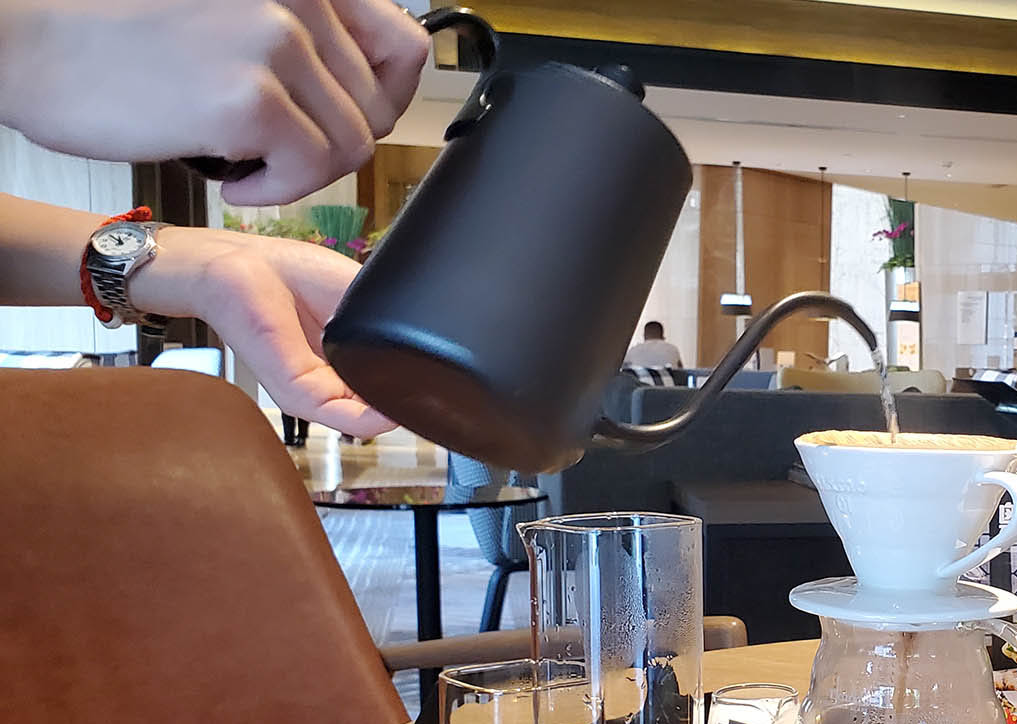
Coffee is something that carries a certain level of technicality even at the consumer level. This is relatively rare in other beverage and food industries. Many coffee drinkers also make coffee at home themselves, including espresso and pour-over. The equipment for making coffee is very diverse, and some of it is quite complex—espresso machines, for example. It’s common for coffee shops to use machines costing tens of thousands or even over a hundred thousand yuan, and a decent home setup costs two to three thousand. And it’s not just a matter of pressing a button. You have to learn. This is far more complicated than brewing tea or mixing drinks.
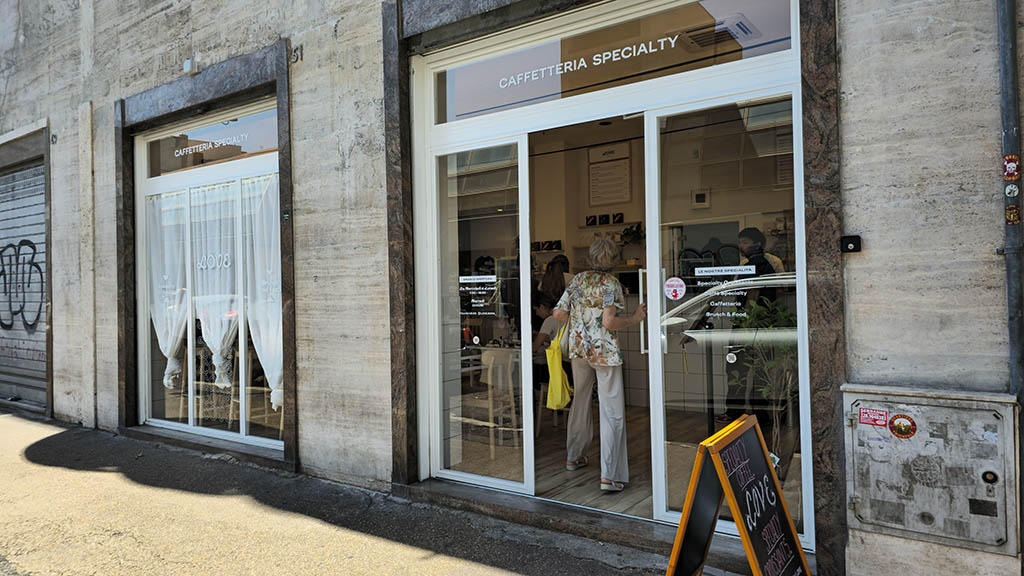
What about pour-over? It’s relatively simple, with a low barrier to entry, but there’s still a technical dimension. That’s why the internet is flooded with instructional videos—all kinds of variables, parameters, and explanations, a bewildering array. There are even world-class coffee brewing competitions. World-class competitions of all kinds, in fact—a whole bunch of them.
And coffee beans are also very diverse, even quite complex—equally dazzling. Many people’s first impression of coffee is bad. It’s precisely because there are so many varieties of beans that it’s easy to drink the wrong thing or buy the wrong thing. Coffee is different from tea. Tea generally won’t be undrinkable. Coffee is not like that—drink the wrong coffee, buy the wrong beans, or even just brew it poorly, and it can be unpalatable. It can even be more painful than taking medicine.
Moreover, in the coffee world, besides “professionals and formally trained people,” there are also coffee enthusiasts and the like—people with extensive experience drinking and making coffee, who may have even attended training and obtained certifications. As a result, at specialty coffee shops, people occasionally come in to chat, show off, challenge, or “cause a scene.” This is part of coffee culture too. It’s also part of the scenery. It tests the barista’s skill, perspective, and patience.
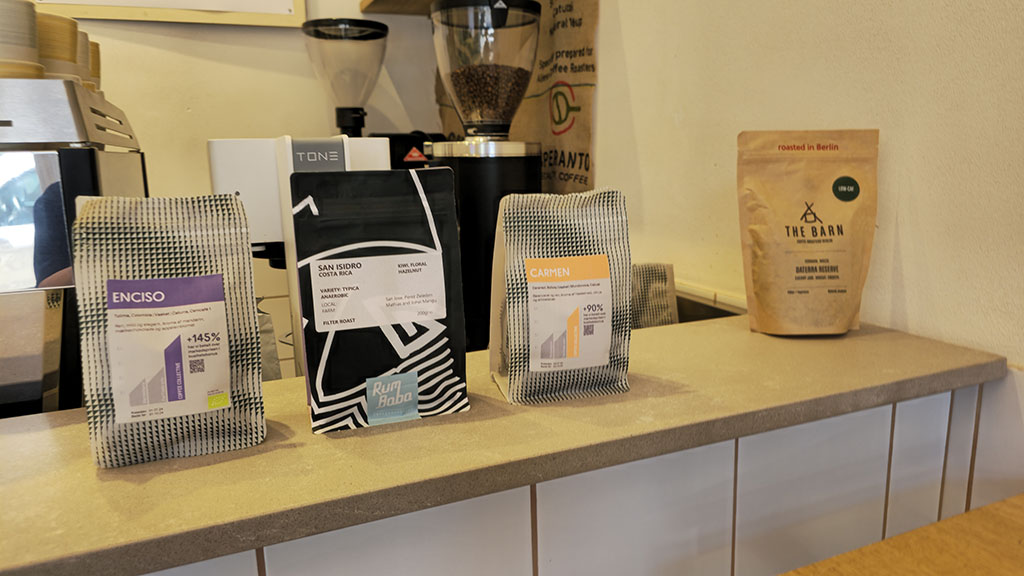
Given this characteristic, compared to reviewing other types of shops, reviewing coffee shops is a bit delicate.
So generally speaking, prioritize professionals and serious hobbyists, supplemented by ordinary people’s reviews. Especially coffee hobbyists. Professionals don’t often go out to drink coffee day to day—first, peers know each other, they’re all in the same circle, and it’s impossible for you to frequently go drink at someone else’s shop; second, they’re professionals themselves and brew better; third, they know the costs and understand value for money. Of course, they do visit shops too—mostly well-known industry shops, and many of them know each other. You can also watch their educational videos. Coffee hobbyists—people who understand coffee technique and love coffee technique—follow professionals, learn from the knowledge professionals share, and are more active about visiting shops than professionals. How do you tell who’s a hobbyist? Their social media has technical coffee content, and their shop reviews include technical aspects, coffee characteristics, and so on.
And precisely because of coffee’s technical nature, those “local’s coffee shop review” videos are more about daily life or historical and cultural value—when it comes to the coffee itself, they’re no different from any ordinary person’s review.
I’ve seen an ordinary person’s review like this: they went to a coffee shop, drank a bean with great flavor, and said, “Only after coming to this shop and drinking the coffee here did I realize what garbage I’d been drinking before.” But in the comments, someone who knew better said this bean was a typical flavored bean. How awkward. I’ve also seen someone walk into a shop saying they wanted coffee and asking if there were fresh beans, roasted in the last couple of days. The barista said no, because the beans need to rest. The person looked completely bewildered.
Ordinary people’s reviews mostly just say: “Tasty,” “rich,” “fragrant,” “has a sweet aftertaste,” “the best I’ve ever had.” They recommend purely based on the experience of drinking an ordinary beverage. Sometimes coffee tastes good because something has been added—or because the raw material itself was already adulterated. You also can’t tell what a coffee shop’s distinguishing features are in terms of coffee and equipment: Are the beans stale? Is this a flavored bean? Is this a bean that’s trending this year? What makes it special—a woman-led coffee farm? A new processing method? Rare equipment? Why multiple cups? Why is there a small bottle too? Is the price of this bean reasonable? What’s special about this farm? And so on and so forth. So for ordinary people’s shop reviews, it’s more suitable to look at the shop’s design, location, and other non-coffee aspects.