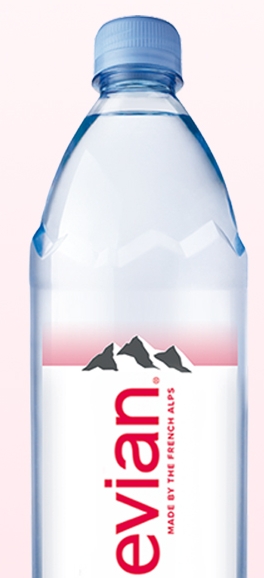
The coffee we drink is simply the liquid extracted from coffee grounds by water. Apart from the coffee beans, coffee is all about water. Water is the only thing that extracts coffee. That’s why water matters so much. Generally, we don’t recommend brewing coffee directly with tap water or distilled water, because the TDS levels of these waters don’t quite meet the requirements—tap water often has a relatively high TDS, while distilled water has a TDS of nearly zero, and in some places tap water also carries off-flavors and impurities. Professional coffee shops have dedicated water filtration systems, but households don’t necessarily have one. If you don’t have a filtration system, your best bet is bottled mineral water, ideally with a TDS between 50 and 90. If the TDS is too low, the brewed coffee tastes thin and overly acidic; if the TDS is too high, the coffee tastes bitter and astringent. Evian mineral water, for example, has a very high TDS—often around 300—making it highly unsuitable for brewing coffee. The TDS range recommended by the Specialty Coffee Association (SCA) is too broad and is rarely used in actual brewing.
You can give it a try—brew coffee with different waters and see which one you prefer.