Coffee beans are the foundation of a coffee shop — its soul, its core. If a coffee shop — a specialty coffee shop, no less — can’t even get its beans right, why bother opening one? Many coffee shops carry just two or three sad, half-dead beans and still call themselves specialty coffee shops. That’s like a restaurant with only two or three dishes, each made half-heartedly, complaining about a lack of customers. There are no shortage of such coffee shops on the market. Even finding one with more than five types of beans is rare. It’s truly baffling.
You have to understand: not every bean appeals to everyone, and not every bean is stored well. Nor can you pull a great shot from every bean every single time. With so few beans — and they might not even be consistently available — customers who come to your shop will most likely find the coffee mediocre. They won’t want to come back a second time.
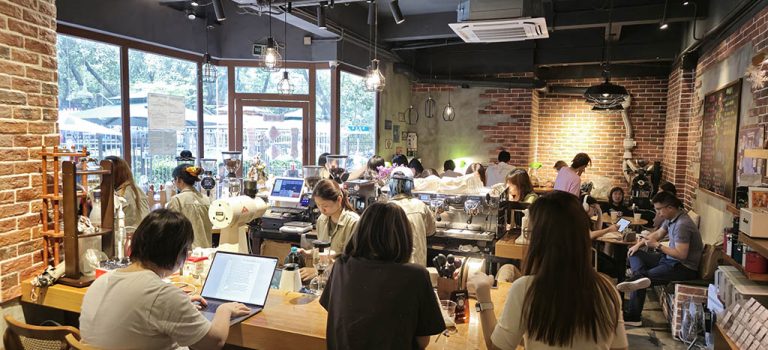
Setting aside technical aspects like brewing, the bare minimum is this: enough beans — both in quantity and variety. People need options. They need to feel this is a specialty coffee shop, not just a shop that happens to serve coffee.
So, for me personally, what kind of variety and quantity makes me feel this is a good coffee shop?
Enough varieties, enough quantity, with some beans available long-term and others rotating. Prices should range from affordable to slightly higher:
At least three or more bean varieties — SL28, Gesha, Bourbon, Caturra. Let people taste the differences between cultivars.
At least two roast levels — light, medium, and so on. Those who love acidity and those sensitive to it should both have options. Different preferences for body should be accommodated too.
At least three processing methods — washed, natural, anaerobic, honey, etc. Some people love ripe fruit and fermented flavors; others prefer clean cups. You can even carry infused beans, as long as they’re clearly labeled — like Dorothea, for instance.
Beans from at least three different continents and producing countries besides your own — Africa, Central America, South America. Ethiopia, Kenya, Panama, Colombia, Guatemala, Peru, and so on. Let people experience flavors from different regions of the world.
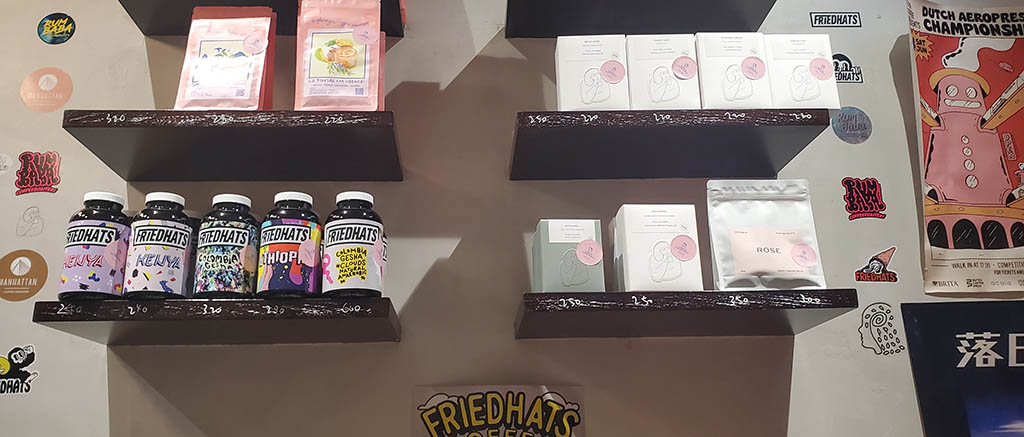
Prices should span a range. The bean selection should be stable yet evolving. At least two everyday staple beans available long-term at lower prices — like Ethiopian Yirgacheffe, Kenyan Nyeri. Plus one slightly higher-quality, slightly pricier bean available long-term, say forty to fifty yuan a cup — like Colombian Gesha. And at least three more rotating options on top of that. That way, when customers come in, they don’t have to think twice — they know there’s a bean they can always order. When nothing else appeals, they can fall back on these. Additionally, there should be changes every two weeks to a month — not the same beans forever, but new ones to taste and explore regularly. This keeps the shop feeling vibrant and alive.
All told, a coffee shop should carry at least six types of beans at any given time, covering different varieties, roast levels, processing methods, origins, and regions. Quantity matters. Other aspects — varieties, origins, etc. — can be rotated in and out over two weeks to a month.
At least six beans, for example: an Ethiopian washed light-roast Yirgacheffe, a Kenyan Nyeri light-roast washed, a Colombian light-roast natural Gesha, a Guatemalan medium-roast washed Flor del Café, a Rwandan natural light-roast Bourbon, a Panamanian natural light-roast Gesha. Two weeks later: an Ethiopian washed light-roast Yirgacheffe, a Kenyan Nyeri light-roast washed, a Colombian light-roast natural Gesha, a Guatemalan medium-roast washed Flor del Café, a Costa Rican light-roast honey-process Gesha — and of course you could add an Ethiopian washed ultra-light-roast Sidamo, and so on. Ideally, carry beans that are popular that season or year too. Only then does a coffee shop at least resemble a specialty coffee shop — where you can experience different coffee beans, where you have choices, where there’s a reason to keep coming back.
So generally speaking, a coffee shop should carry at least six types of beans simultaneously to feel adequate. A shop with eight or more, stable yet rotating, is a genuinely good shop.
Of course, too many beans isn’t necessarily a good thing either. After all, coffee beans have a relatively short window of peak flavor. If storage isn’t done well, the flavors fade easily.
so good~
I’m amazed, I have to admit. Seldom do I encounter a blog that’s equally educative and
engaging, and without a doubt, you’ve hit the nail on the head.
The issue is something which too few people are speaking intelligently about.
I’m very happy that I stumbled across this during my
search for something regarding this.
thanks!