Types of Coffee You Find in Coffee Shops
We can roughly divide the coffee we typically encounter in coffee shops into two categories: espresso-based coffee and specialty coffee (pour-over, as well as various coffees made with specialty beans, such as siphon, espresso, etc.).
Espresso-based coffee, as referred to here, means the most common traditional Italian-style coffee, generally made with commercial dark-roast blend beans. Think Starbucks, plus a huge number of ordinary coffee shops. They all make coffee with espresso as the base, and the vast majority use a single bean to make all their products: Americanos, lattes, dirty coffee, cappuccinos, flat whites, and other fancy coffee drinks. The coffee beans themselves don’t change—only the ingredients and methods outside the coffee differ. This is a very important characteristic of espresso-based coffee. The vast majority of coffee shops operate this way. And their bean usage is stable (blended to be as consistent as possible)—some coffee shops even use one single bean year after year (or rather, maintain that flavor and character). Of course, some brands offer one or two additional bean options. There’s no acidity; what most people taste most is bitterness.
Moreover, espresso-based coffee is fairly stable in terms of both product and price. An Americano is the same Americano; a latte is the same latte. Today it’s like this, tomorrow it’ll be about the same, next month similar, and even next year probably not too different. An Americano from Starbucks a few years ago and now isn’t much different either.
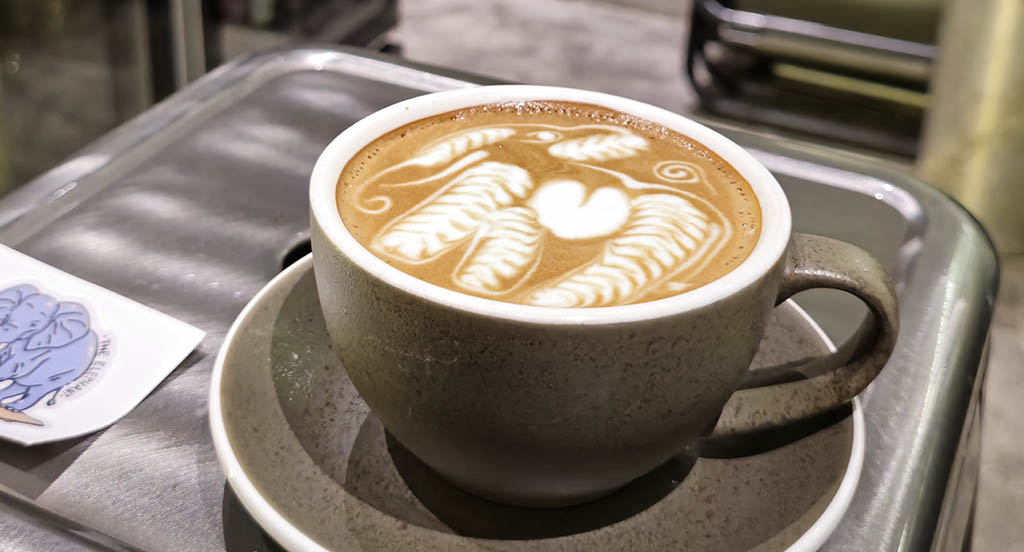
Specialty coffee, commonly known as pour-over coffee (though it also includes espresso, etc.), is about tasting the flavor of the beans themselves—tasting the flavors of different beans, of higher quality, with more delicate and diverse flavors. What you’re drinking is the different flavors of beans from all over the world. Beans from around the globe—even if you drank a different one every day, you couldn’t finish them all in a lifetime. A typical specialty coffee shop offers several bean options; some shops even have a dozen or twenty kinds of beans, or more. And they change with the harvest season. A coffee shop might have this bean today but not tomorrow. It might have it this month but not next month, this year but very likely not next year. This year it tastes good; next year it might be worse. Different specialty coffee shops mostly have different beans—what one shop has, another doesn’t. So going to different specialty coffee shops is equivalent to drinking different coffees, experiencing different flavors and styles. Going to the same shop at different times is also equivalent to drinking different coffees. And different beans can vary enormously in price—a cup can range from twenty-something to several hundred yuan, even over a thousand. Additionally, of course, the vast majority of specialty coffee shops also offer espresso-based coffee, often both regular espresso and specialty espresso. But many traditional espresso-based coffee shops don’t have pour-over coffee.
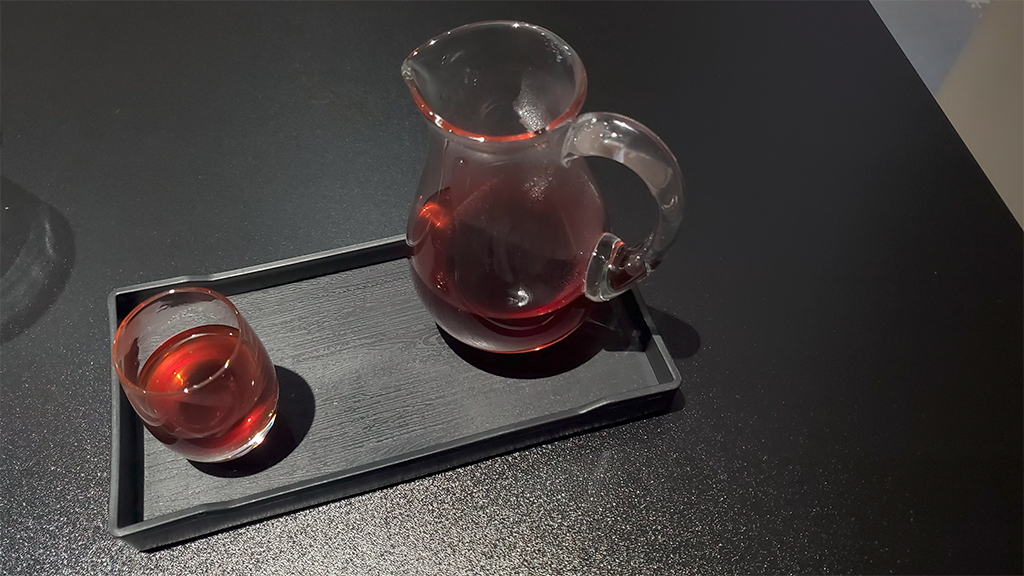
The differences in coffee flavor are especially pronounced in specialty coffee. So when we talk about tasting coffee and flavor differences here, we’re mainly referring to specialty coffee.
People used to like to equate single-origin with specialty coffee, but now it’s more diverse—some coffee shops use specialty beans for personalized blends.
Signature coffee drinks are more complex and varied than ordinary fancy espresso drinks—more like a crafted beverage, many with beautiful presentations. Many contain sugar, making them more accessible to the general public. They’re very popular.
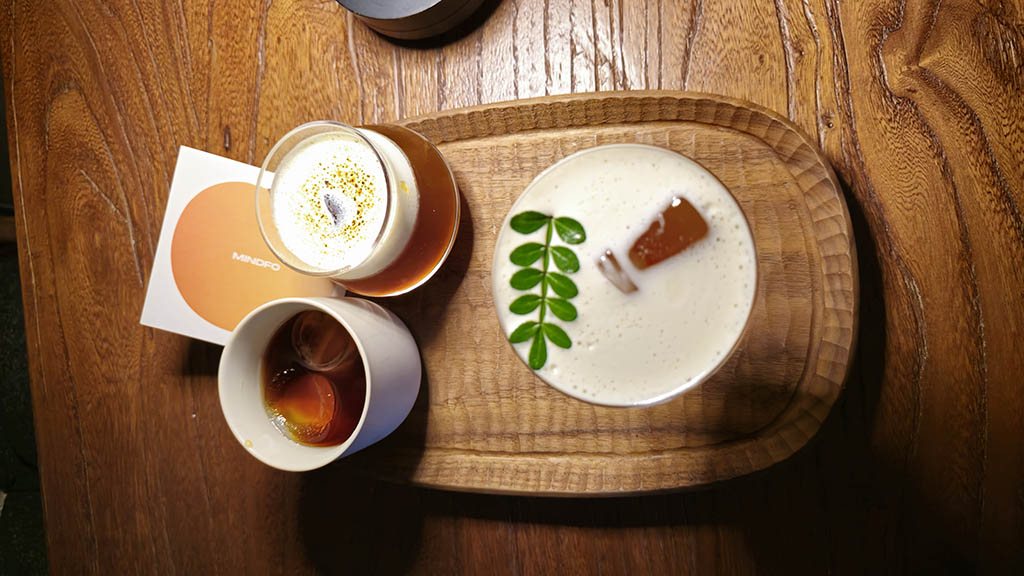
These types of coffee give people the impression that—specialty coffee is about drinking the coffee beans themselves (all kinds of different beans), espresso-based coffee is about coffee products (besides espresso and Americano, other drinks like lattes with various kinds of milk and proportions, sea salt, caramel, and other ingredients), and signature coffee drinks are beverages containing coffee (various ingredients, methods, and presentations). From pour-over to signature coffee drinks, the coffee taste decreases progressively—many signature coffee drinks don’t taste of coffee at all.
However, overall, espresso-based coffee has relatively stable bean flavor and fast output. It seems more suitable for chain products and brands—many big-name shops have their own unique blends. Short production time makes it suitable for situations and time slots where people are in a hurry, with a fast pace and heavy foot traffic. That’s why places like Starbucks are mainly espresso-based. It’s also suitable for delivery. Restaurant pairings, office workers ordering coffee—all mainly espresso-based. But the equipment is relatively professional and expensive, making it seem less commonly used in ordinary homes. Specialty coffee—pour-over and the like—has many beans, diverse flavors, high variability and inconsistency, and slower output. A coffee shop making a cup of pour-over might take over ten minutes from start to finish. It seems suited to a slower pace, appreciation, service, conversation, and so on. Specialty coffee isn’t suitable for delivery because once the temperature drops, the taste changes—it may even become unpleasant. But the brewing equipment is extremely simple—even zero equipment works. Buy a pack of specialty drip bags online, or buy coffee beans and ask the shop to grind them into powder, then brew directly at home—it’s incredibly simple.